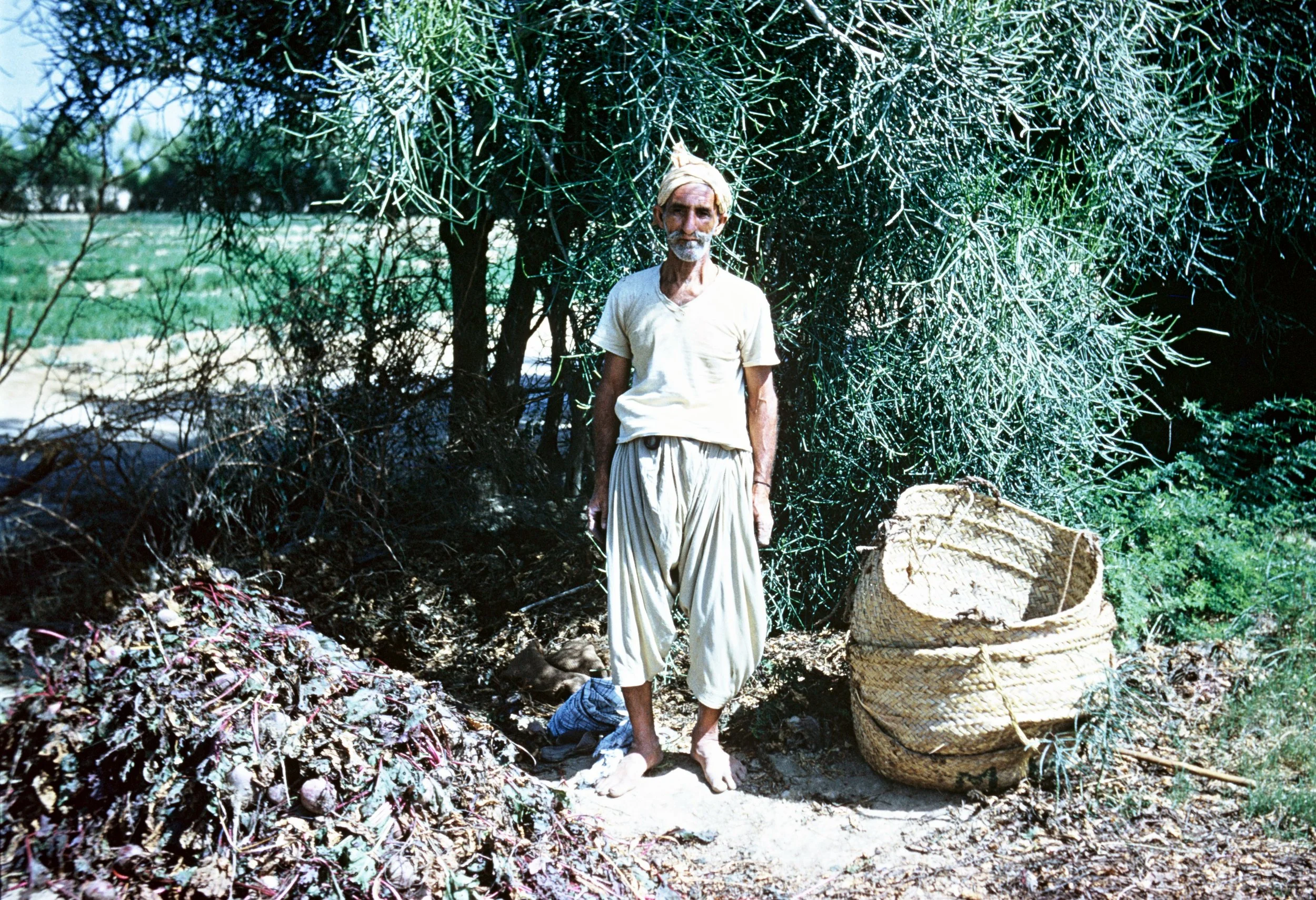
For the past two years, I have been developing a project in Hartlepool, returning regularly to build a relationship with the town. The work builds on my wider practice exploring identity, place and inheritance, connecting Hartlepool, where my mother’s family are from, with a rural village in Gujarat, India, where my father’s family originates. This new work builds on my (2024-2025) exhibition ‘But Where Are You Really From?’, which explored how personal histories are shaped by the legacies of empire. This was shown in galleries across London including Two Temple Place, Copeland Park, Four Corners and Goldsmiths University.
This new project develops this enquiry through a specific focus on Hartlepool. The aim is to develop this into an exhibition combining archive, contemporary work and community-led practice, supported by a public engagement programme of workshops and events.
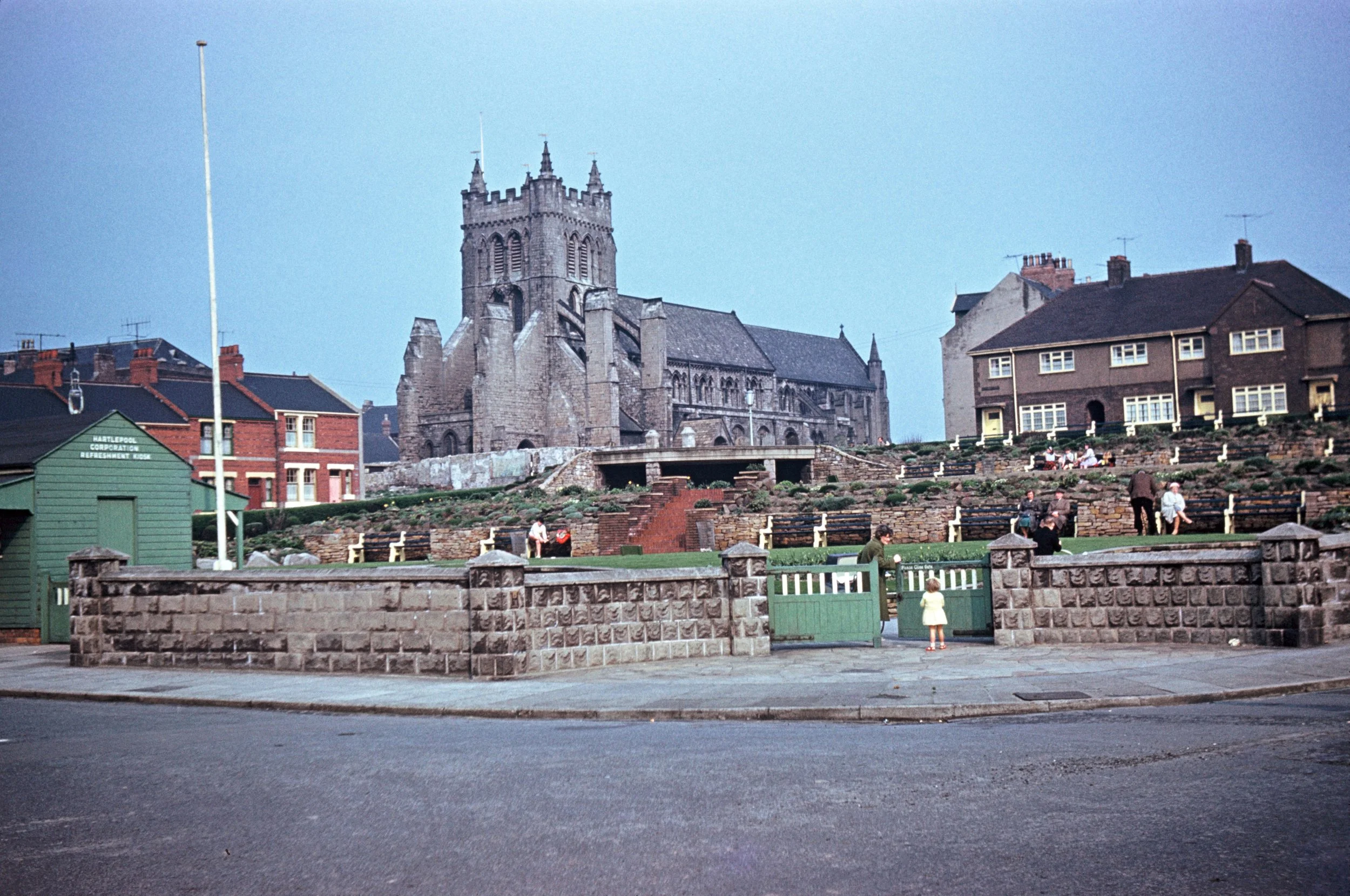
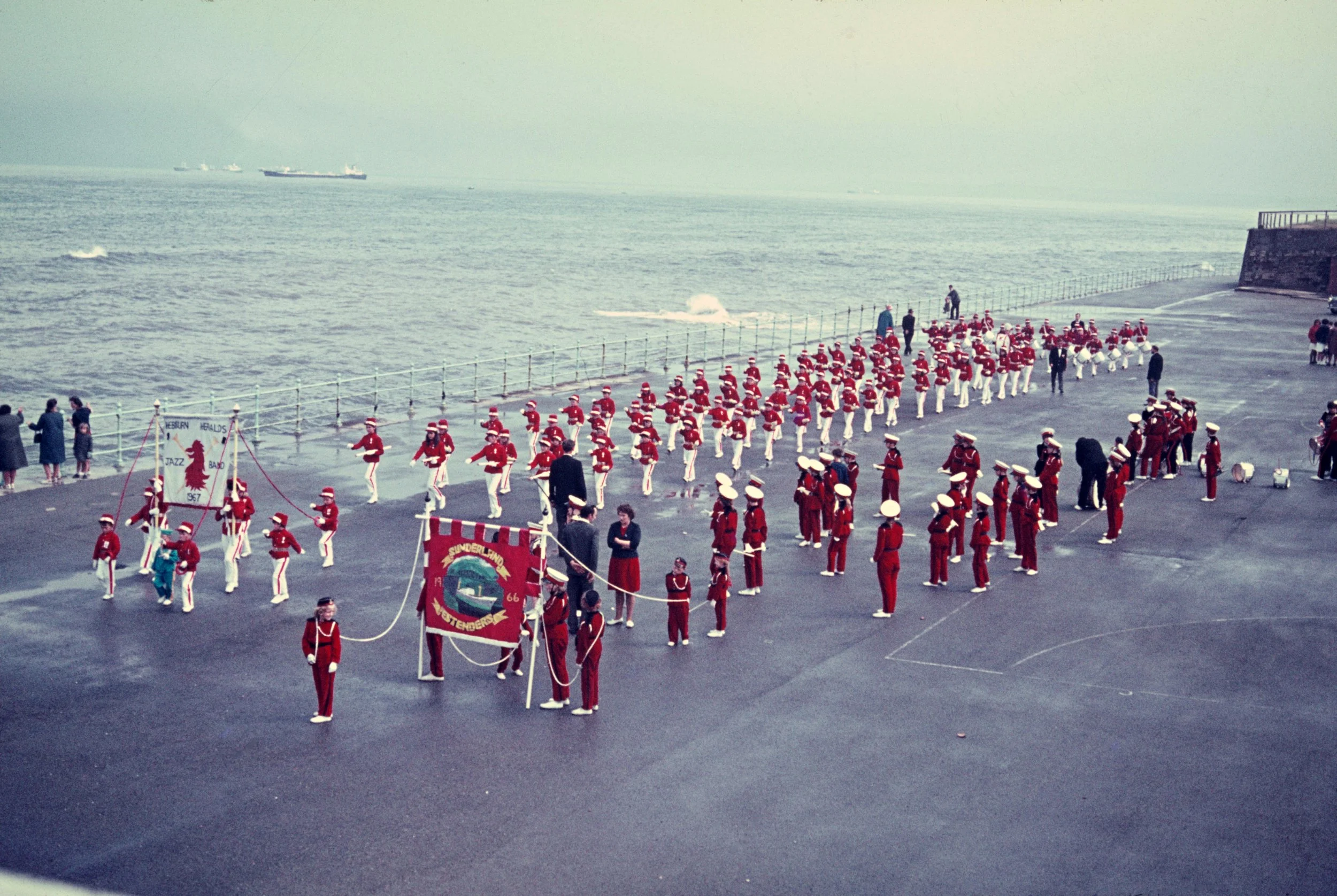
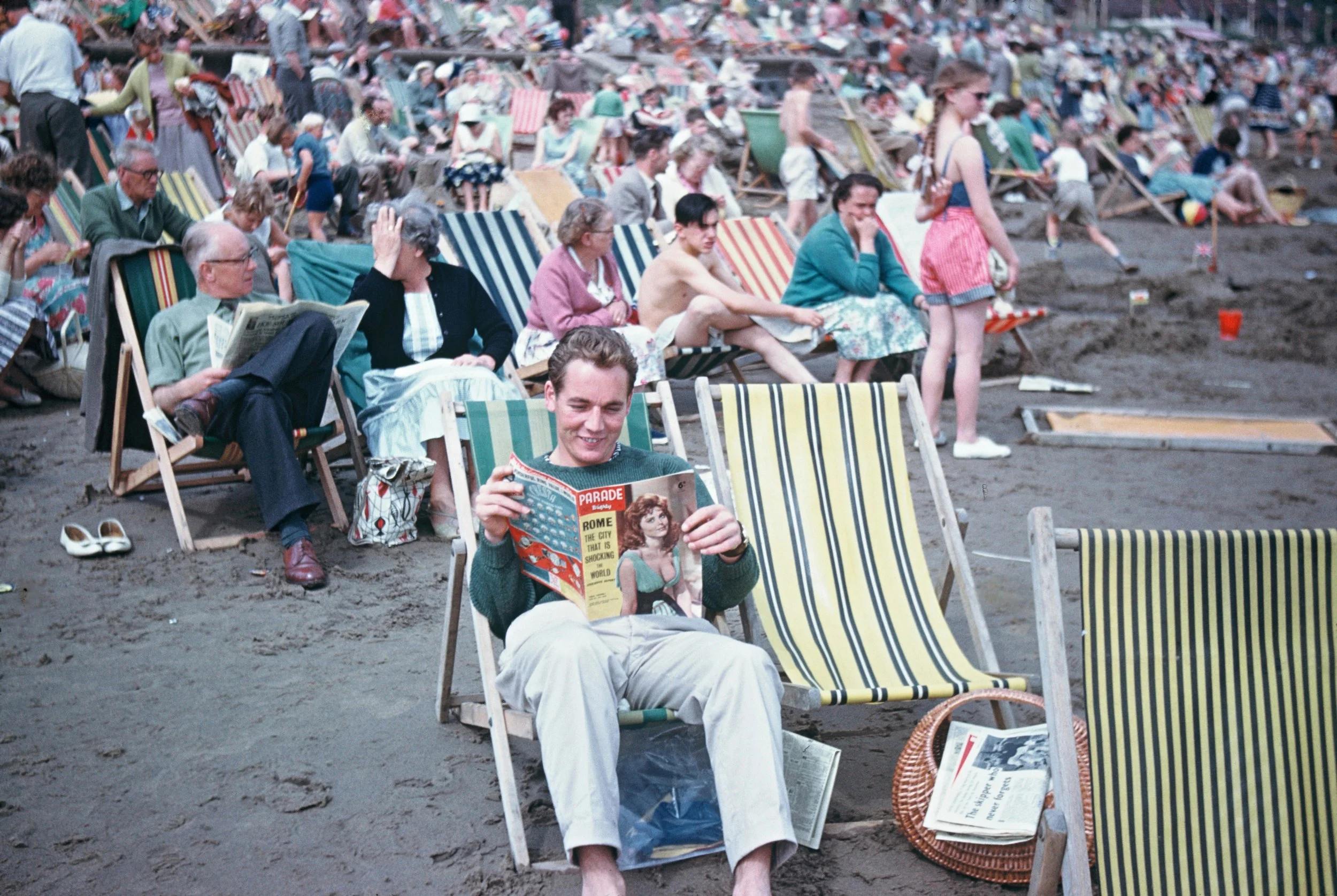
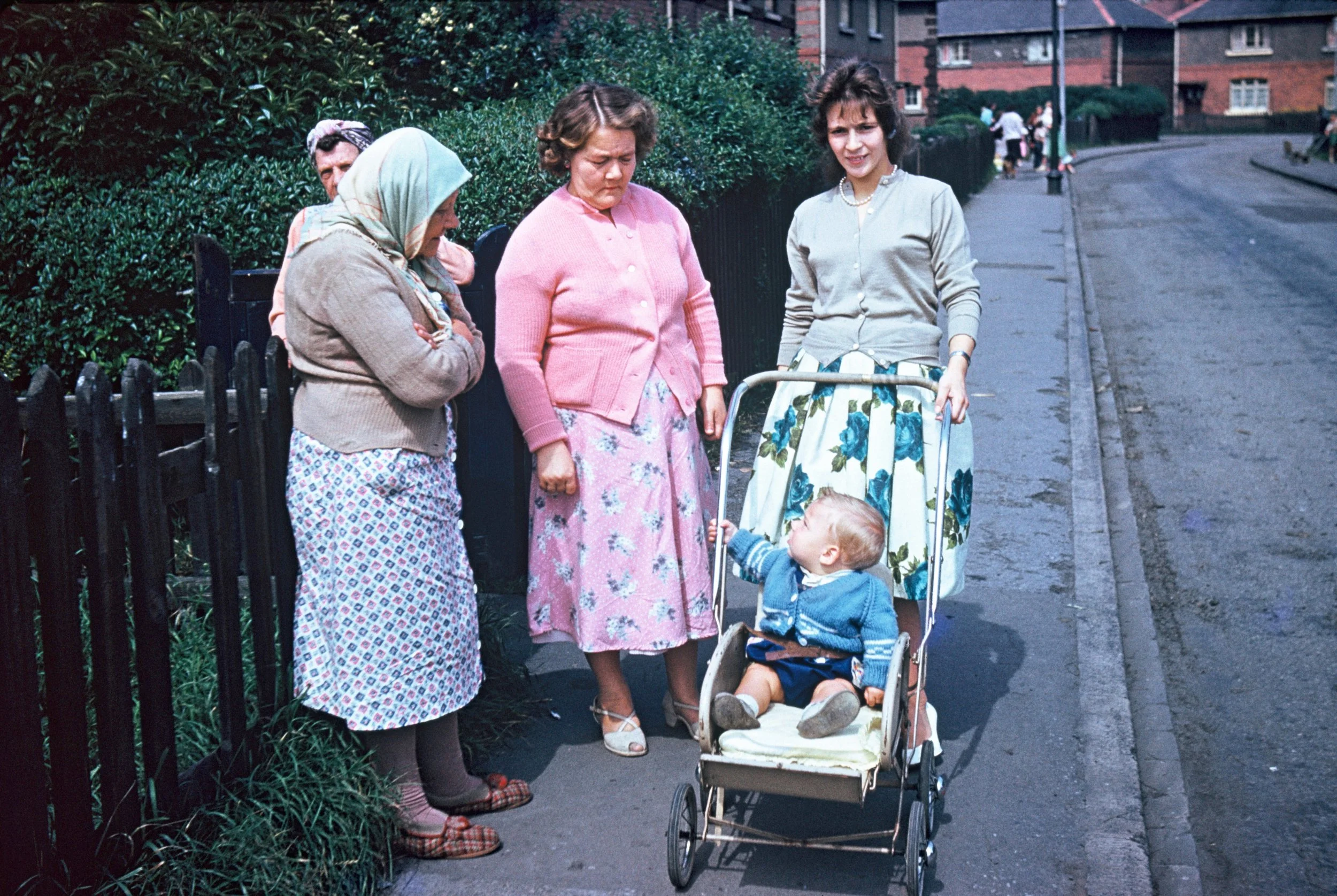
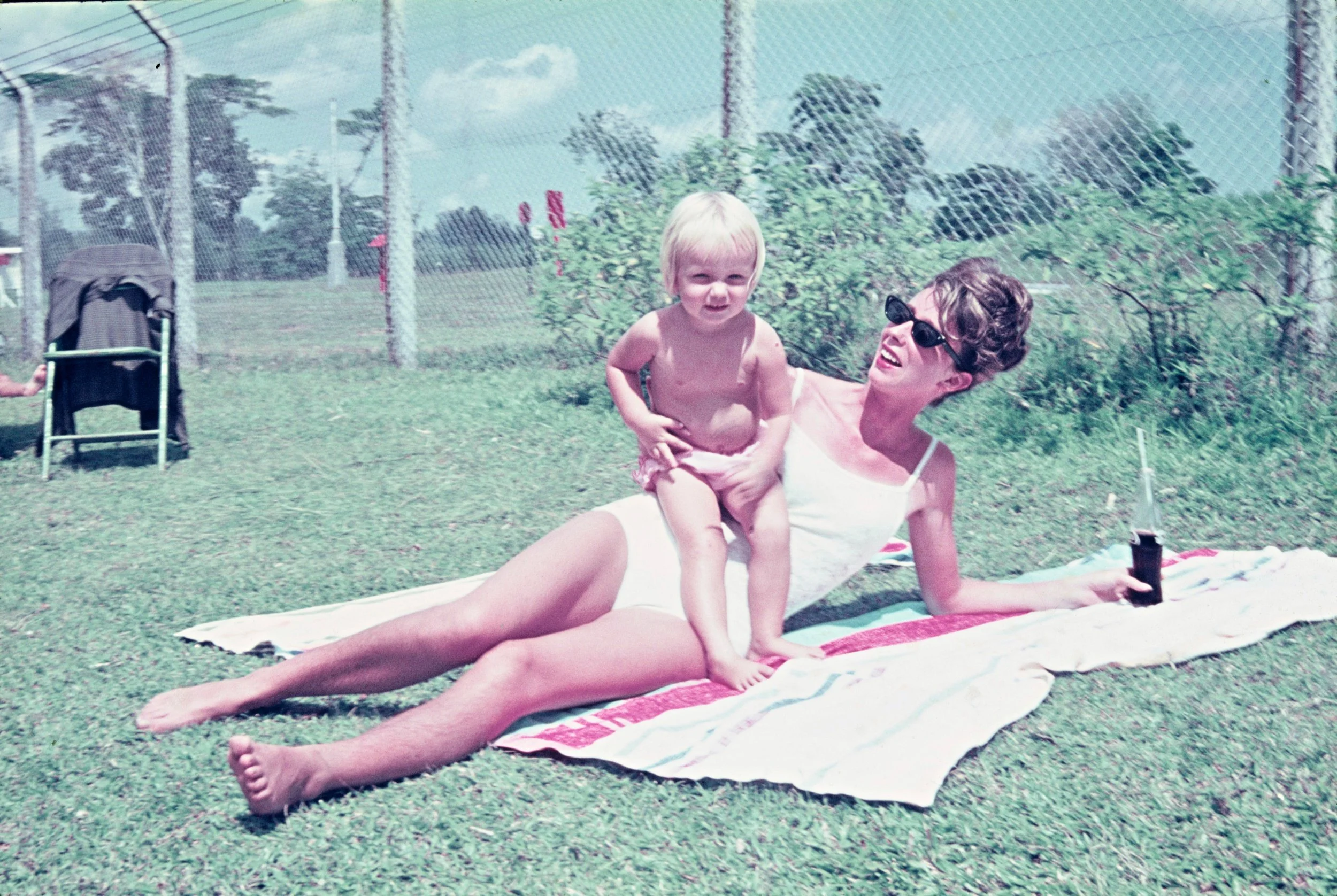
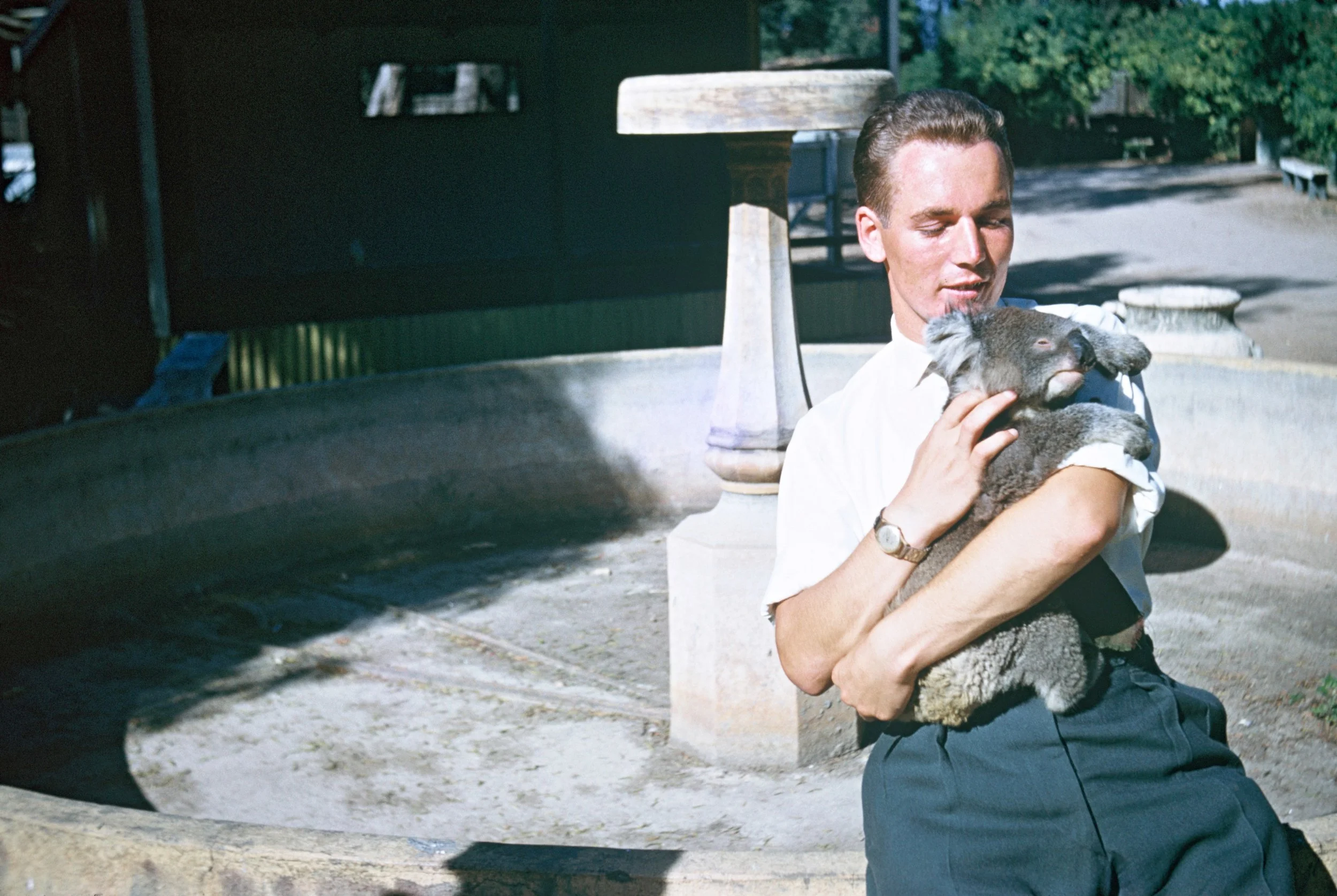
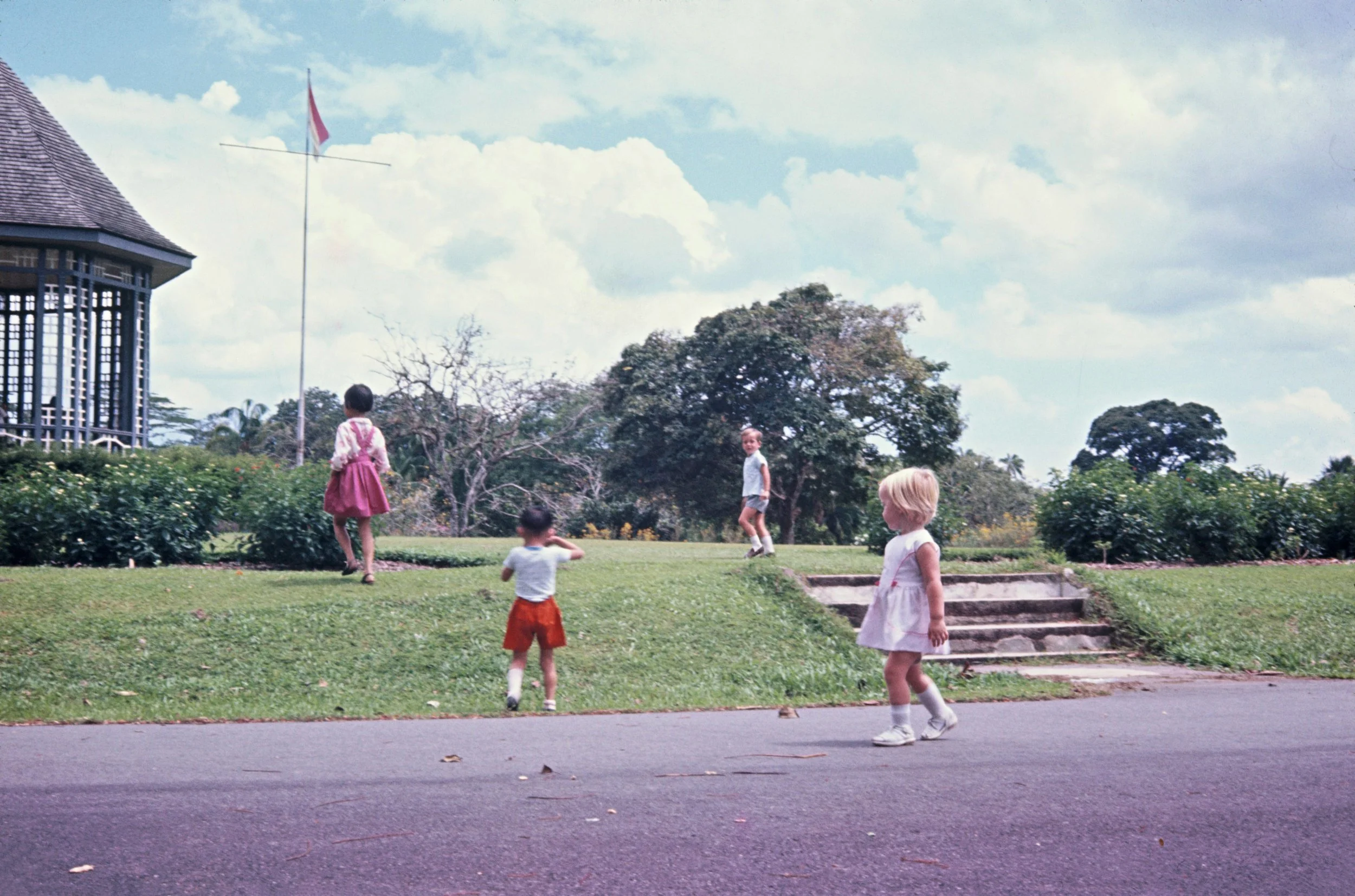
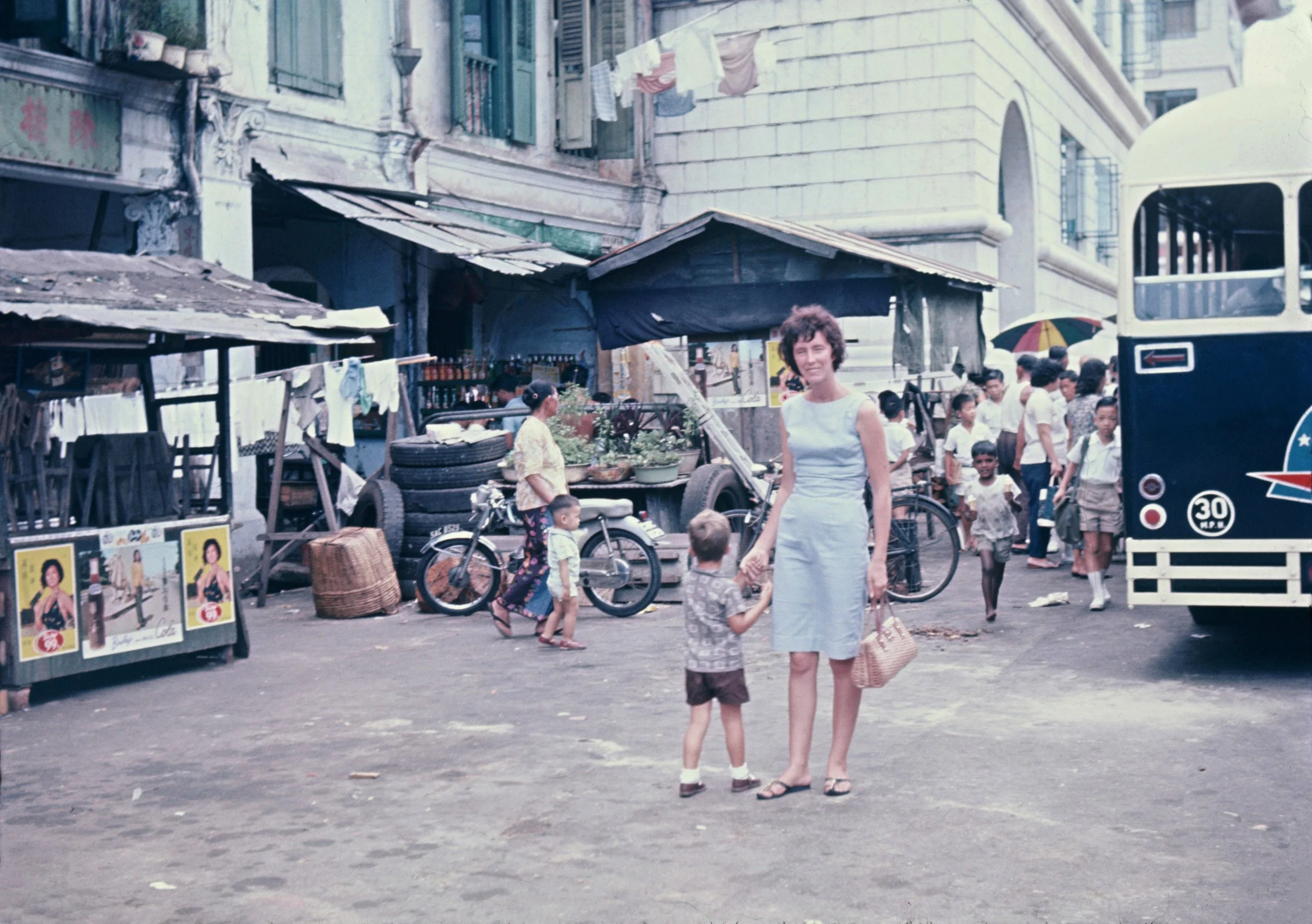
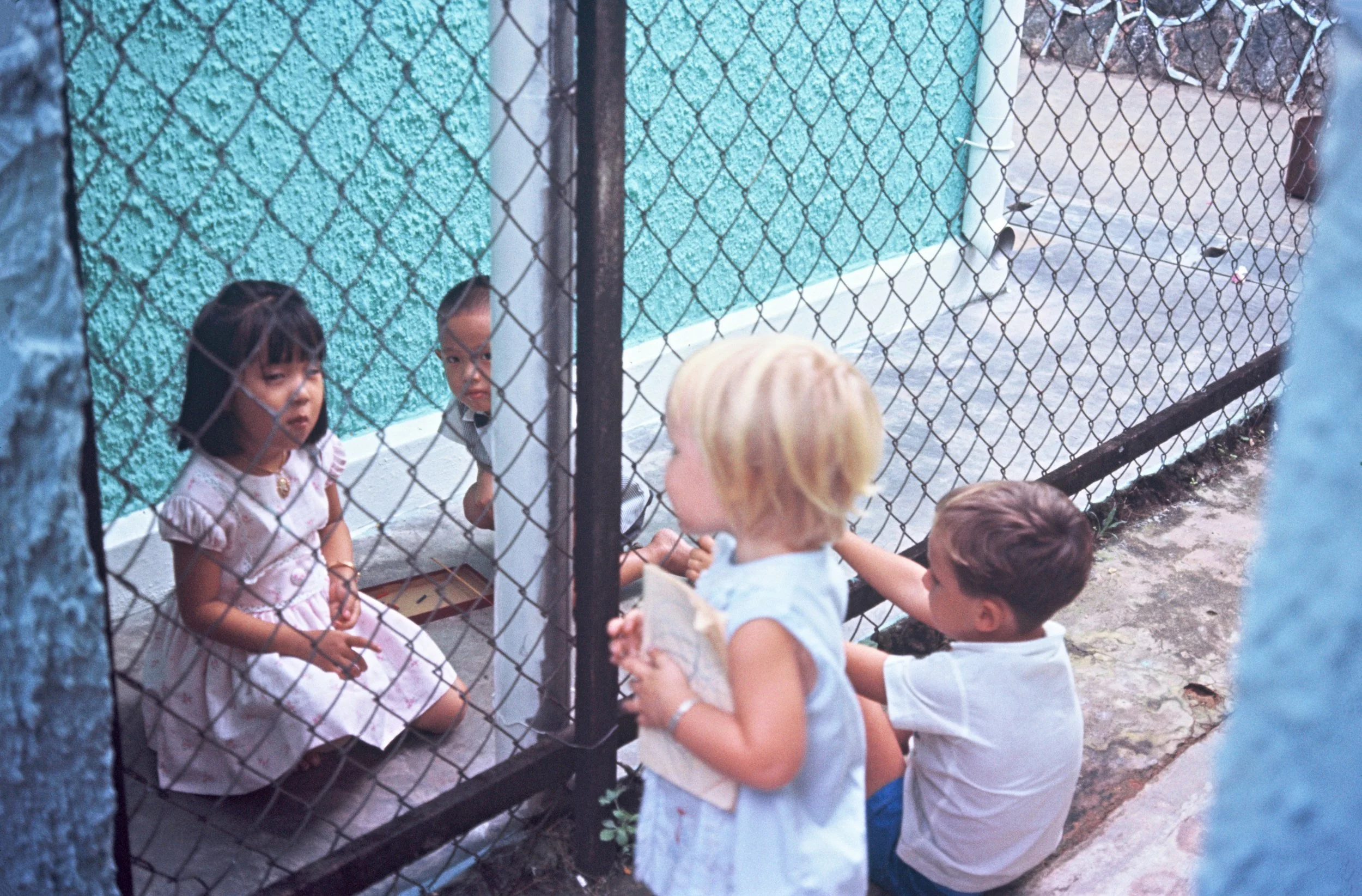
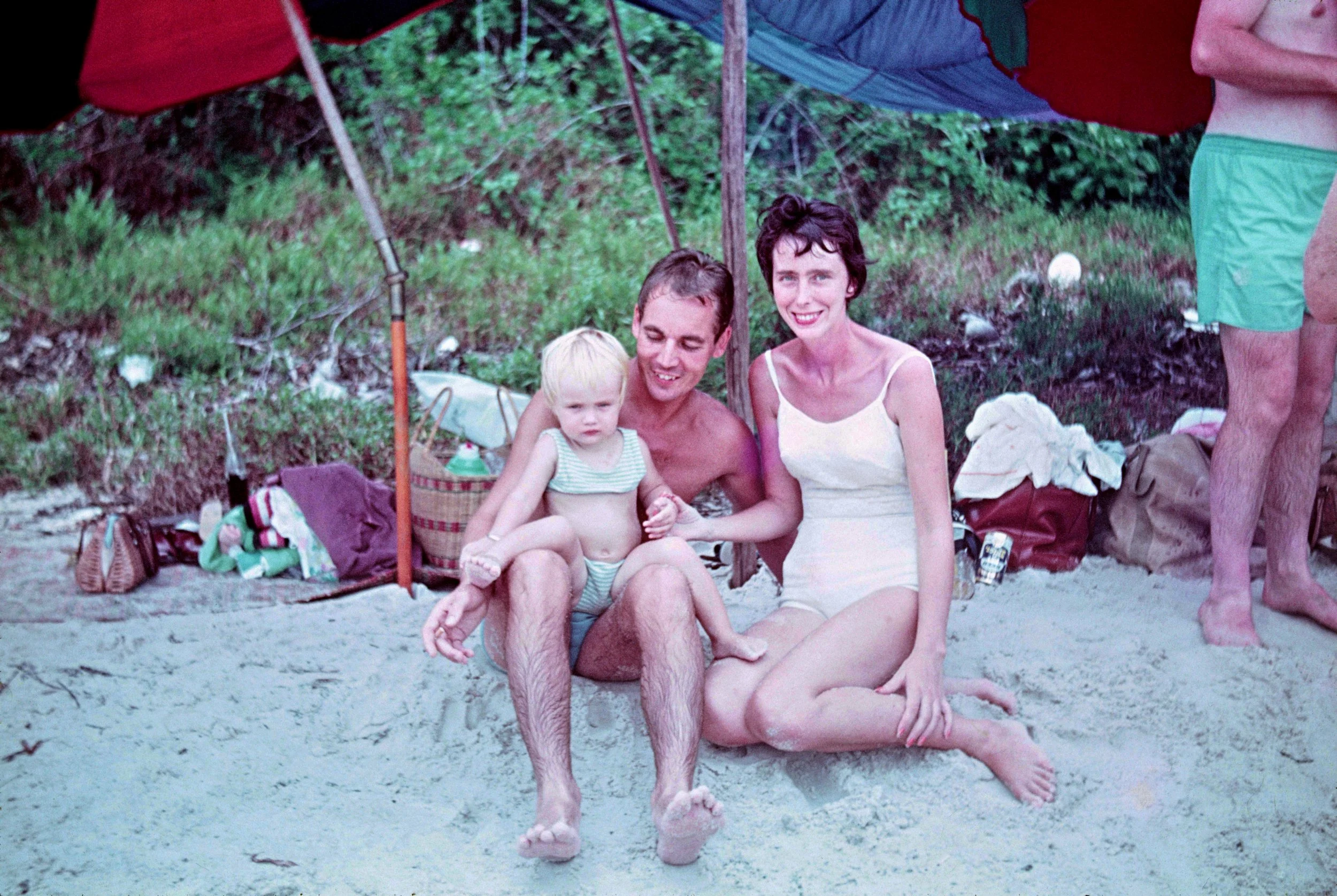
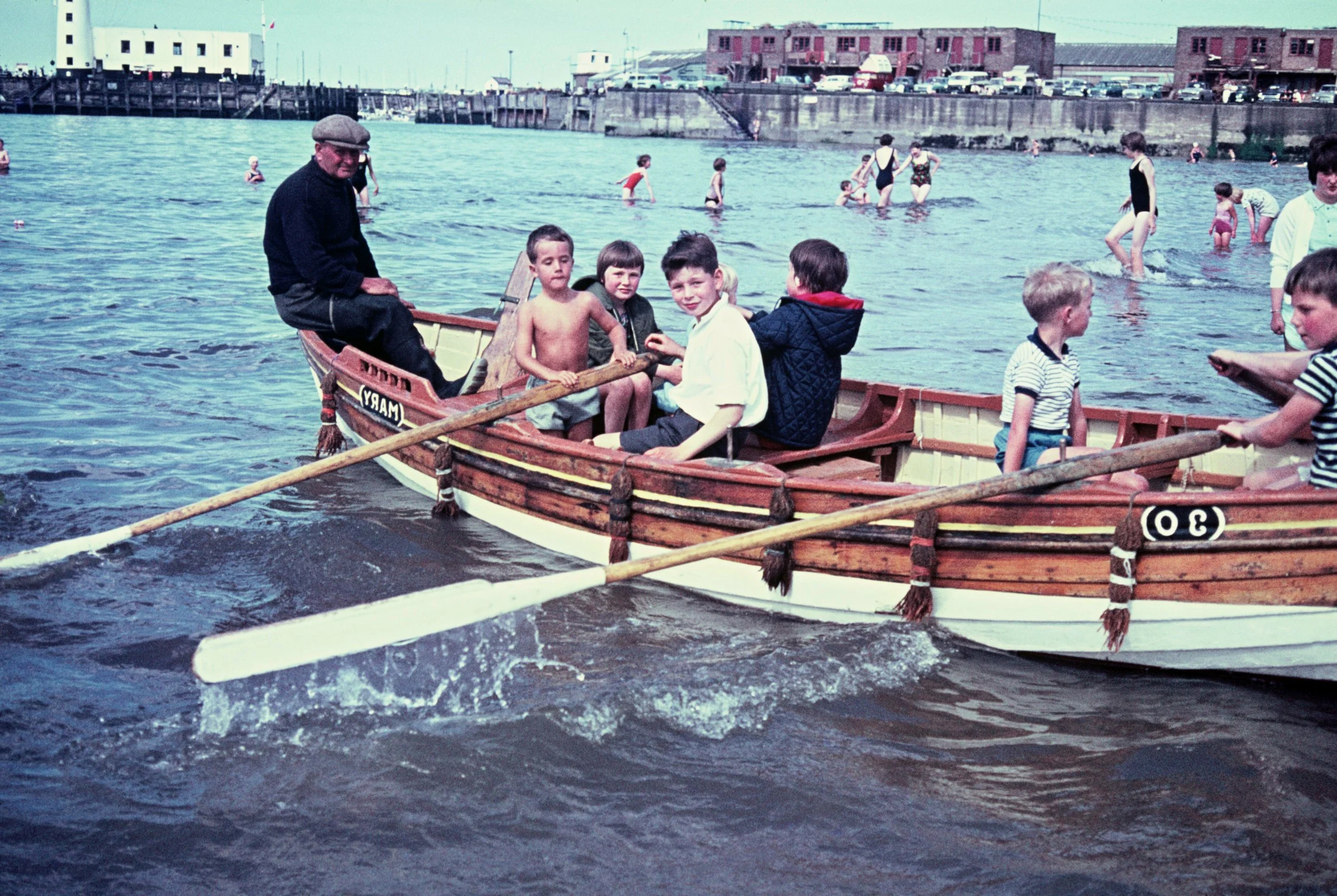
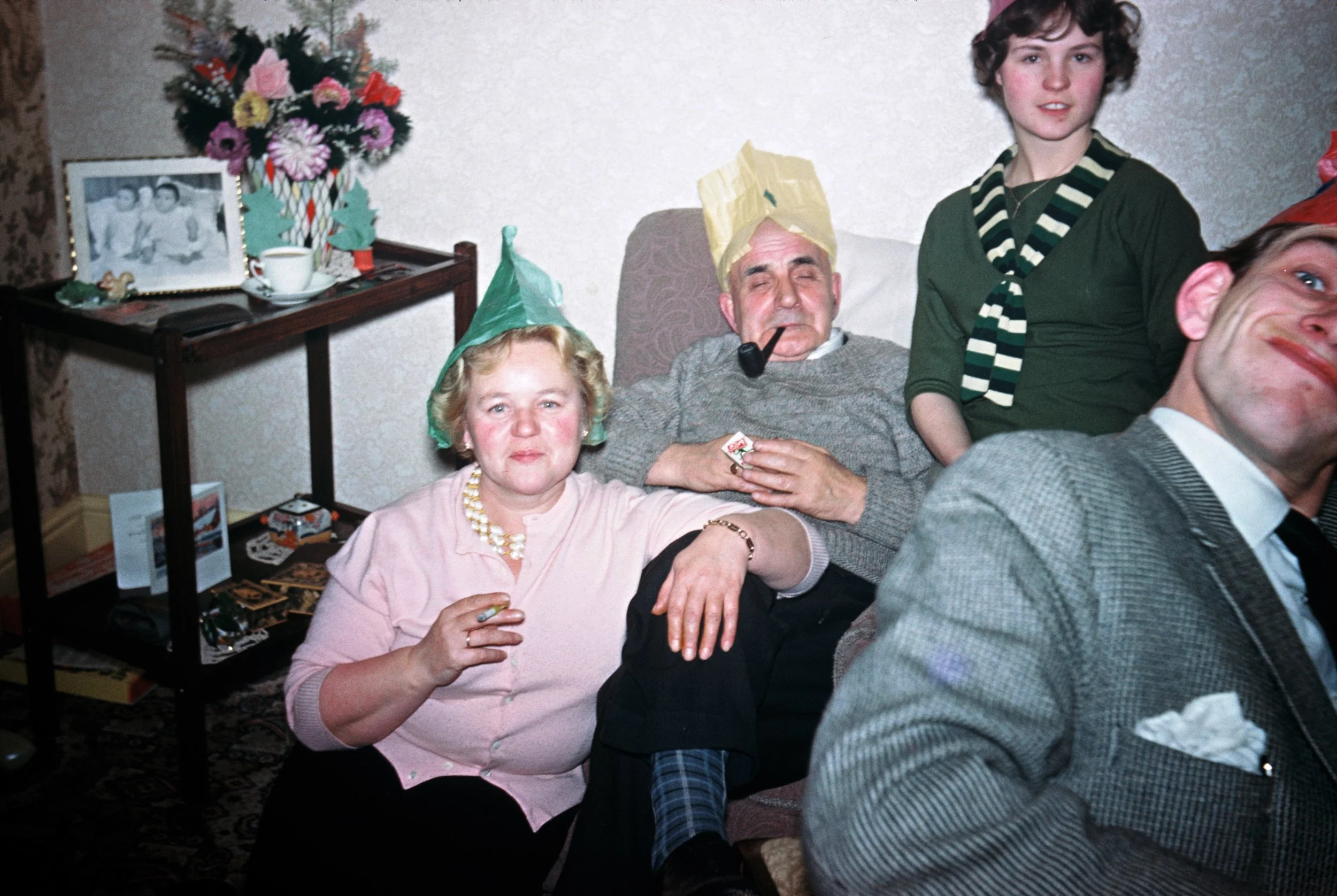
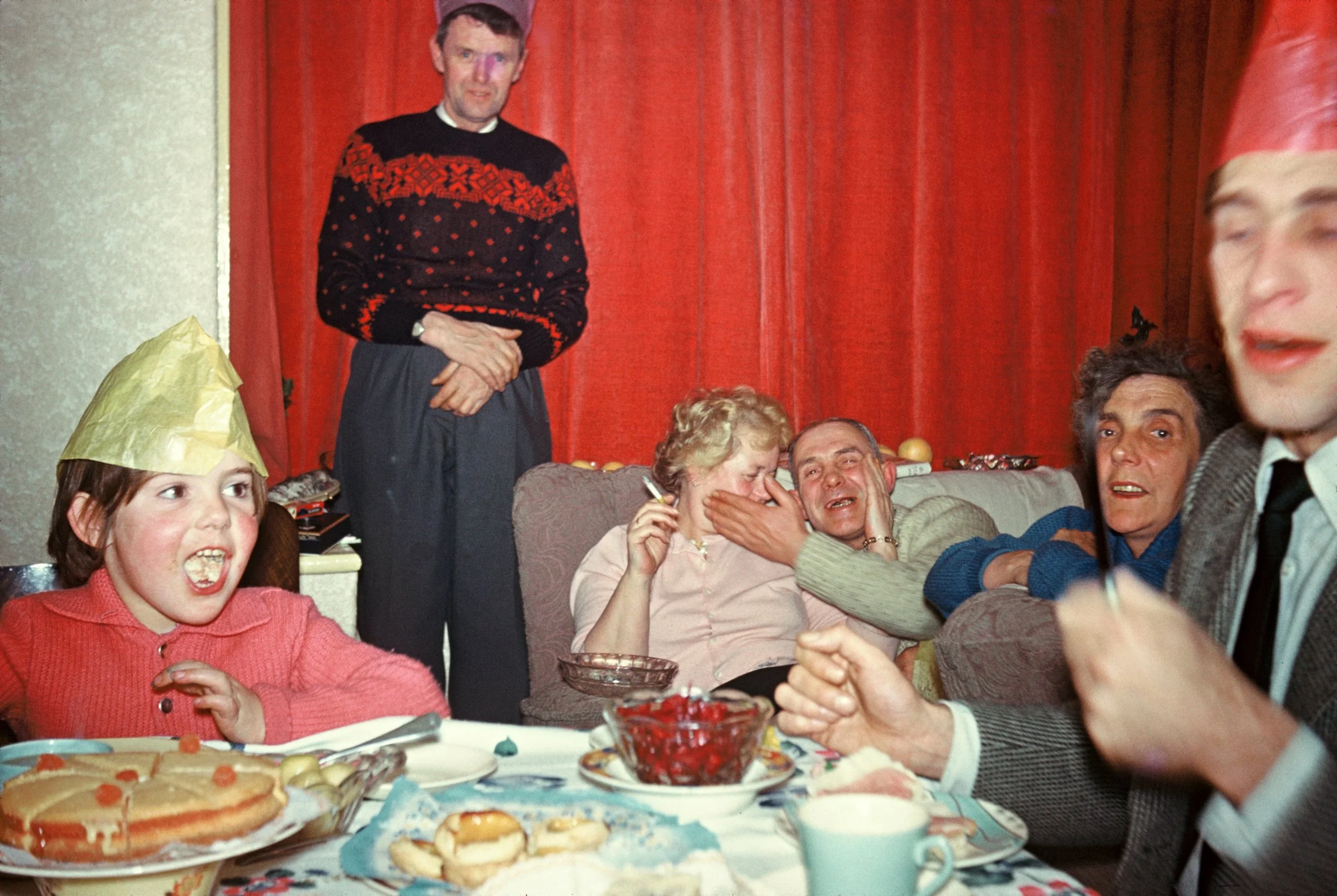
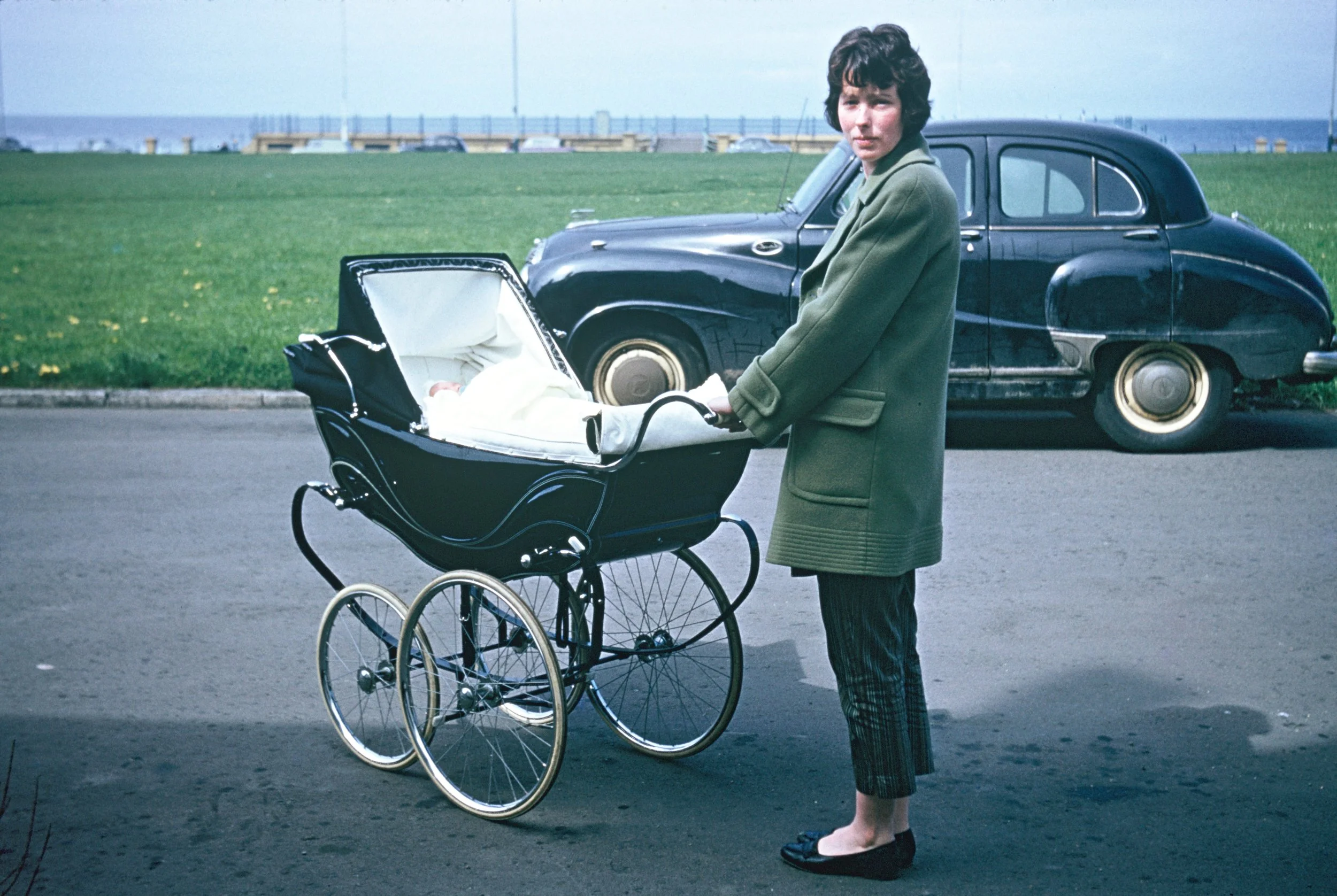
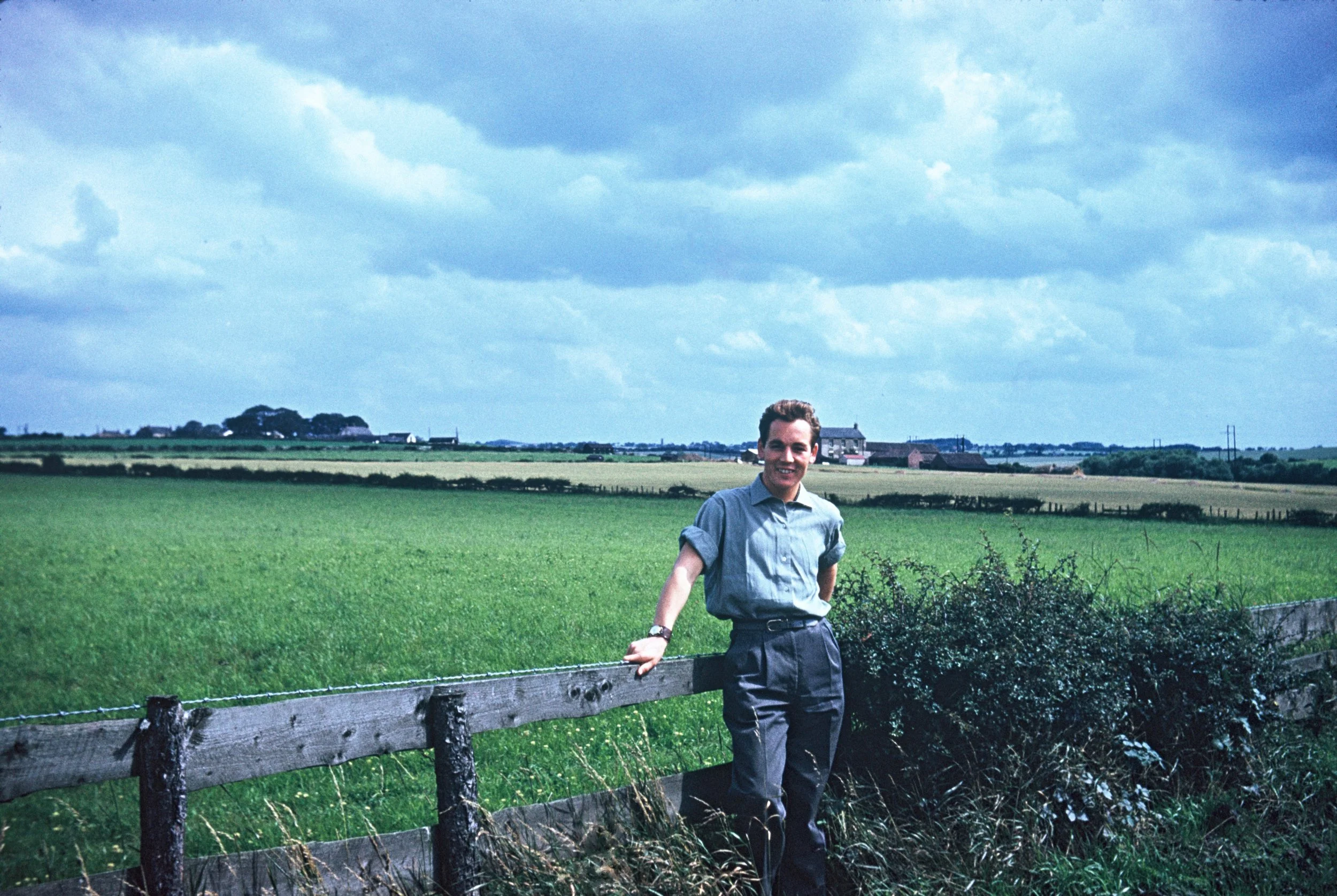
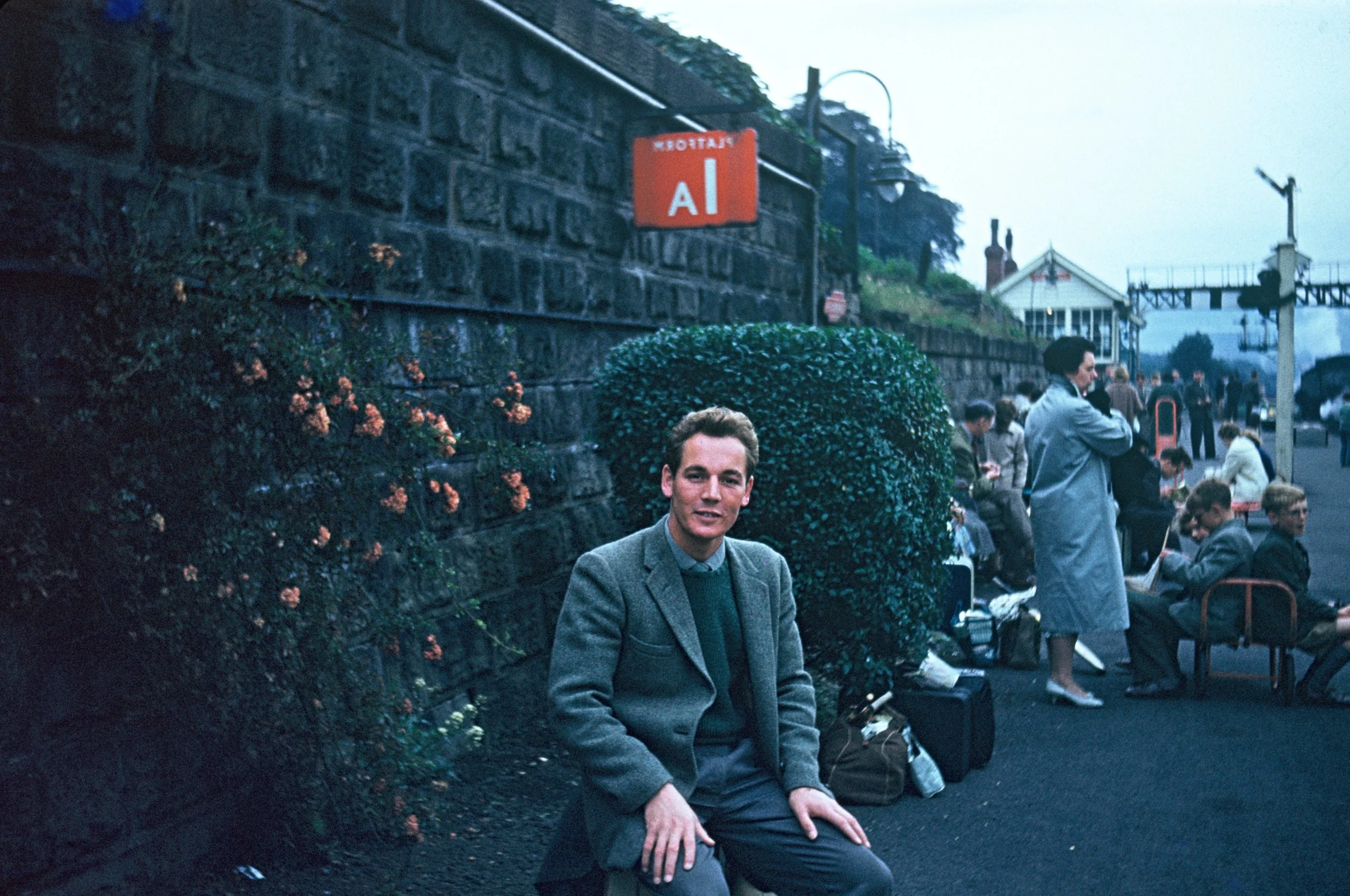
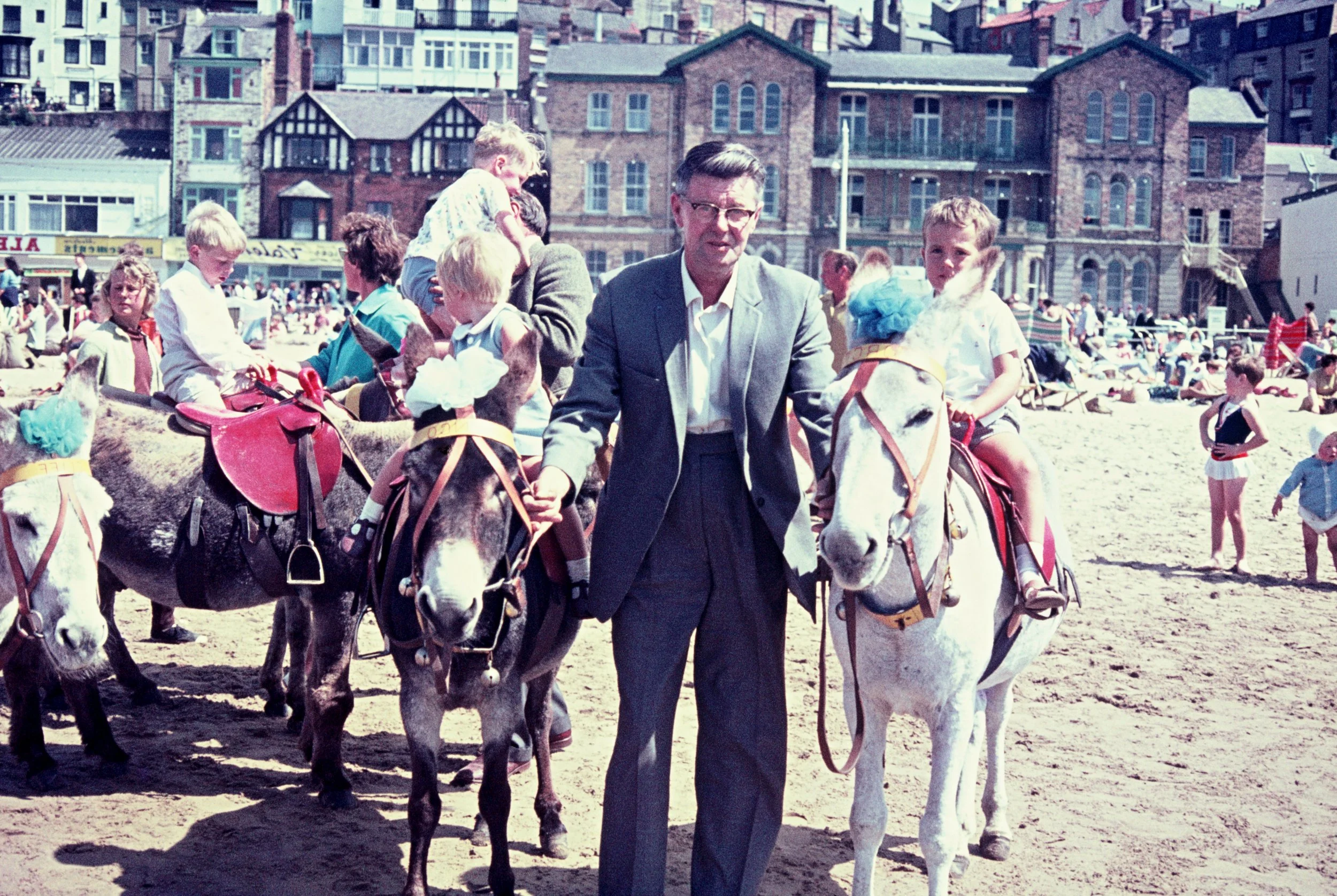
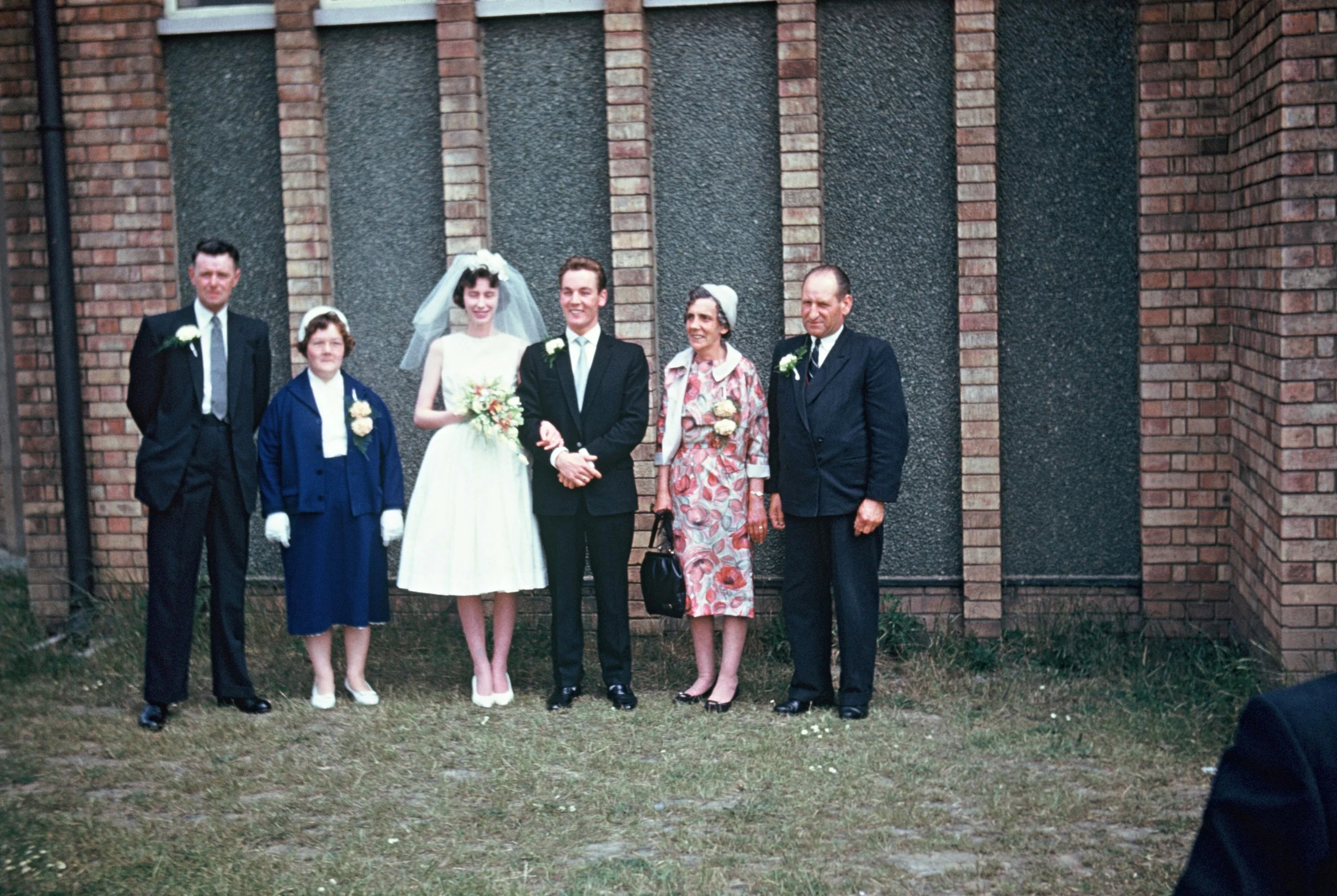
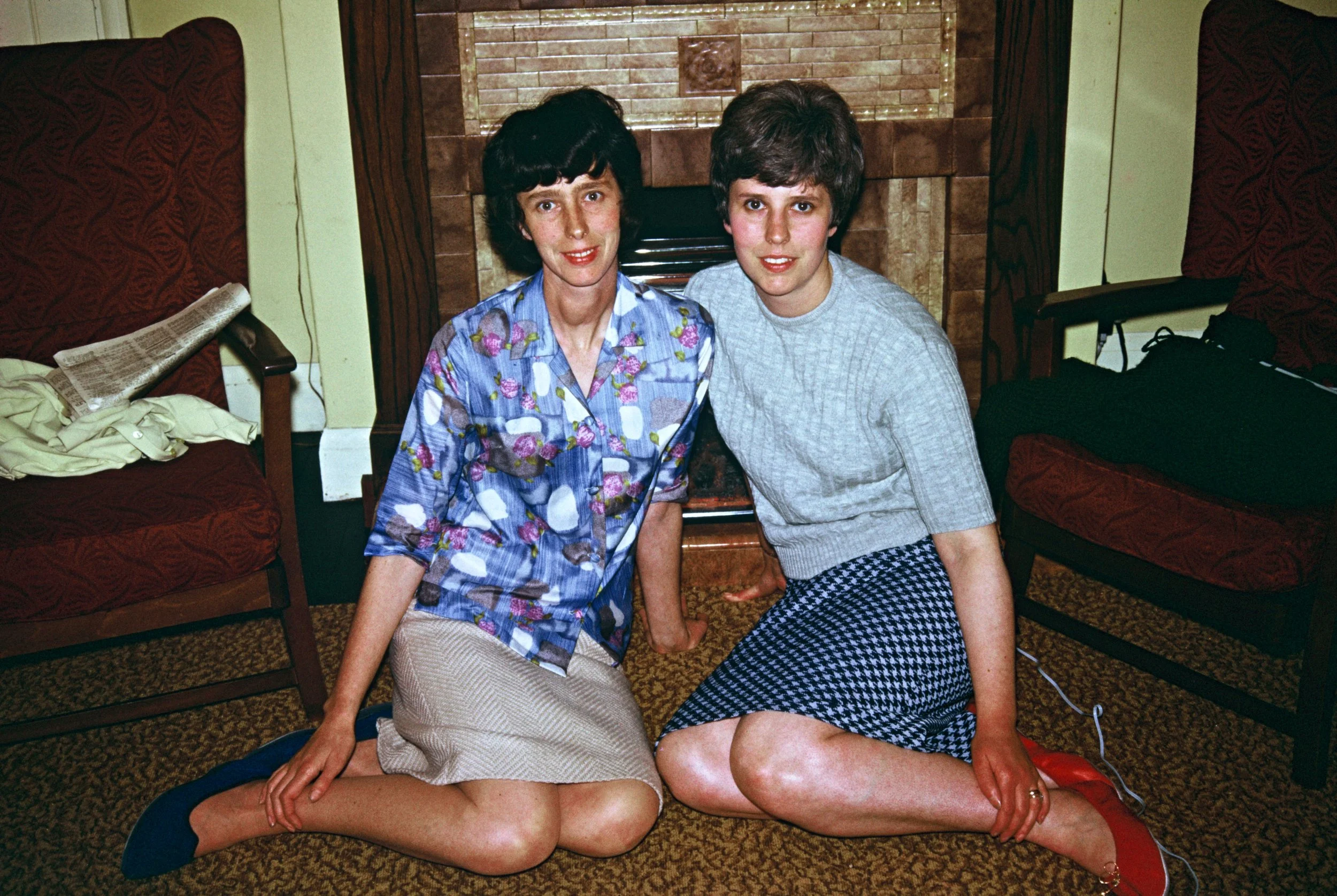
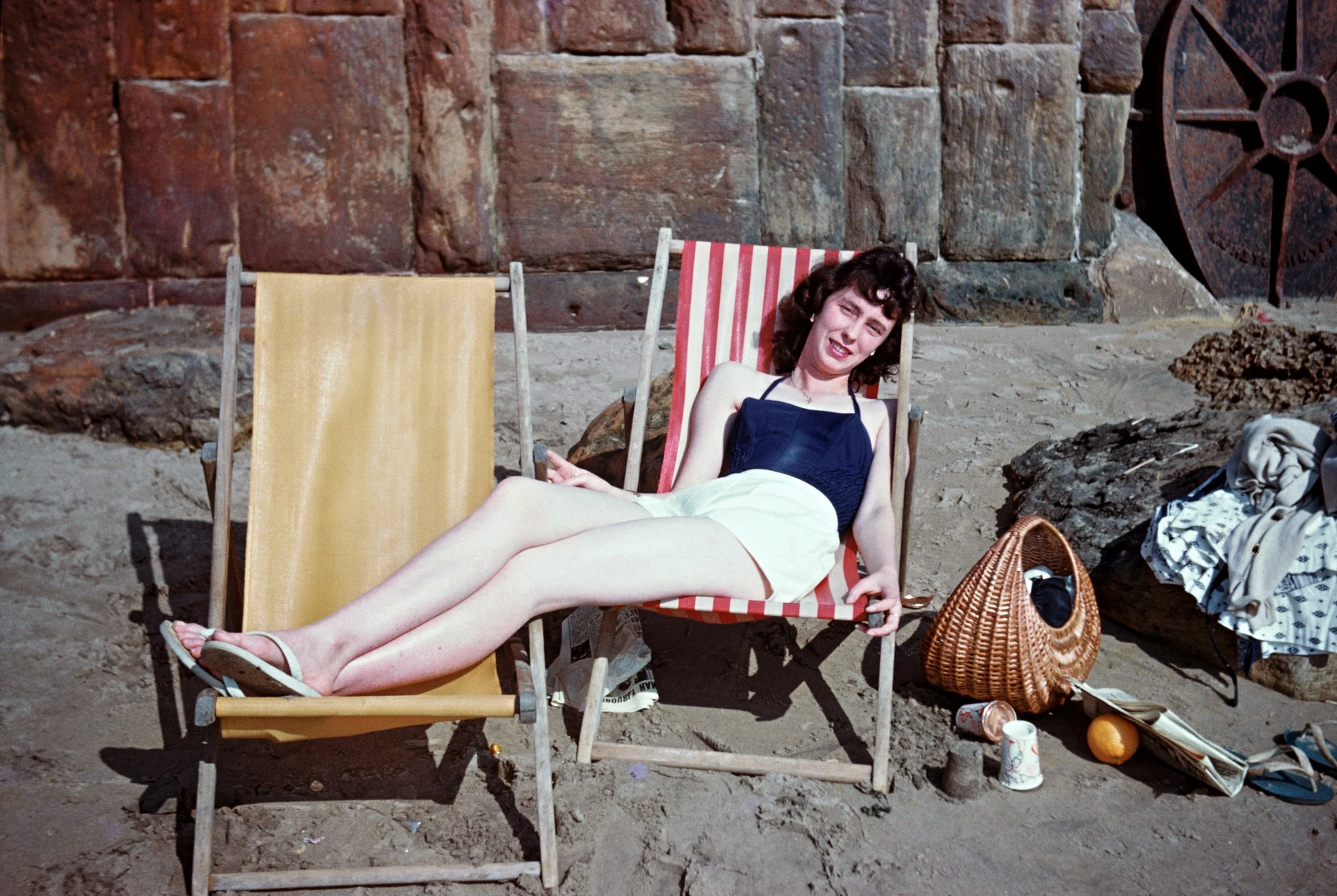
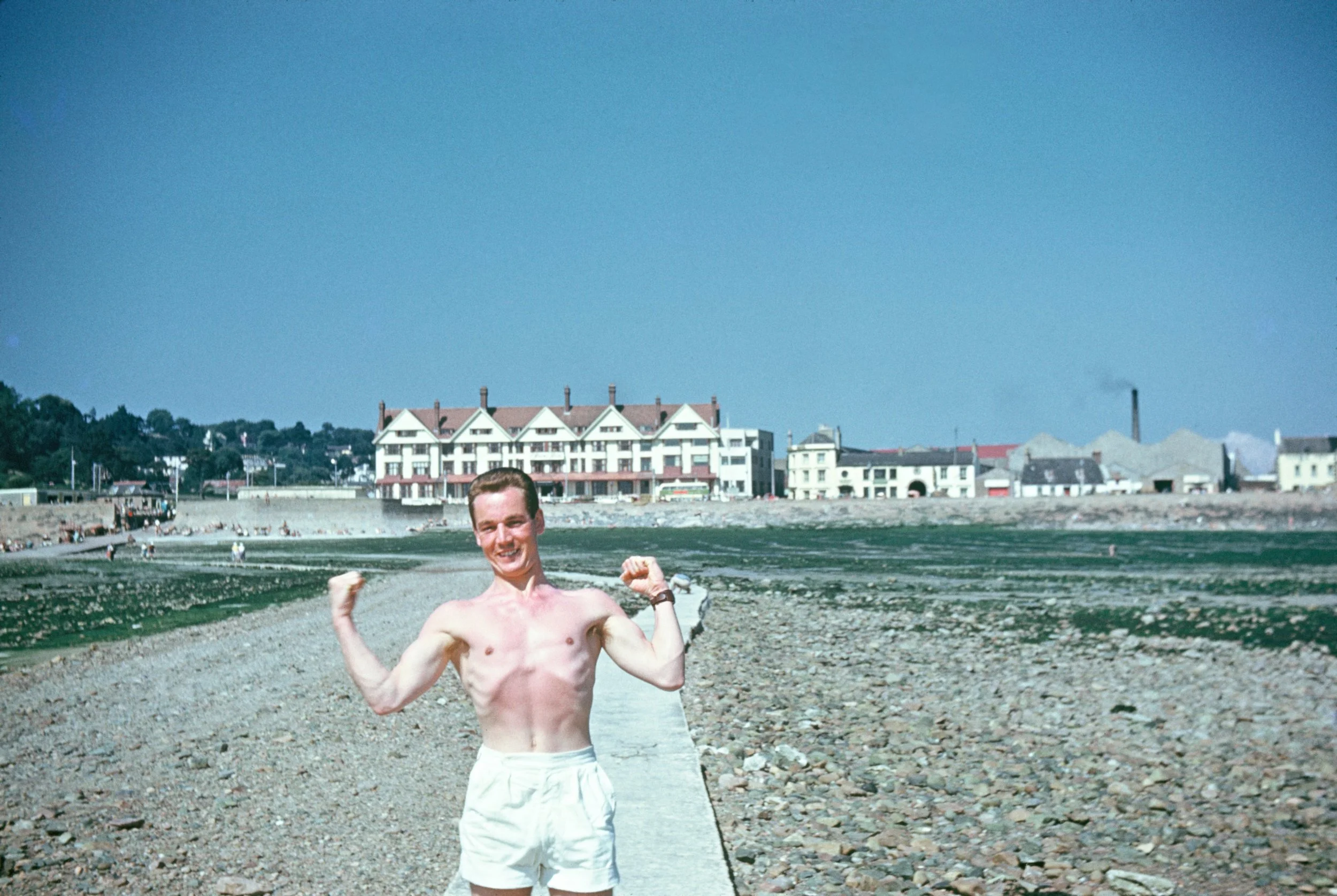
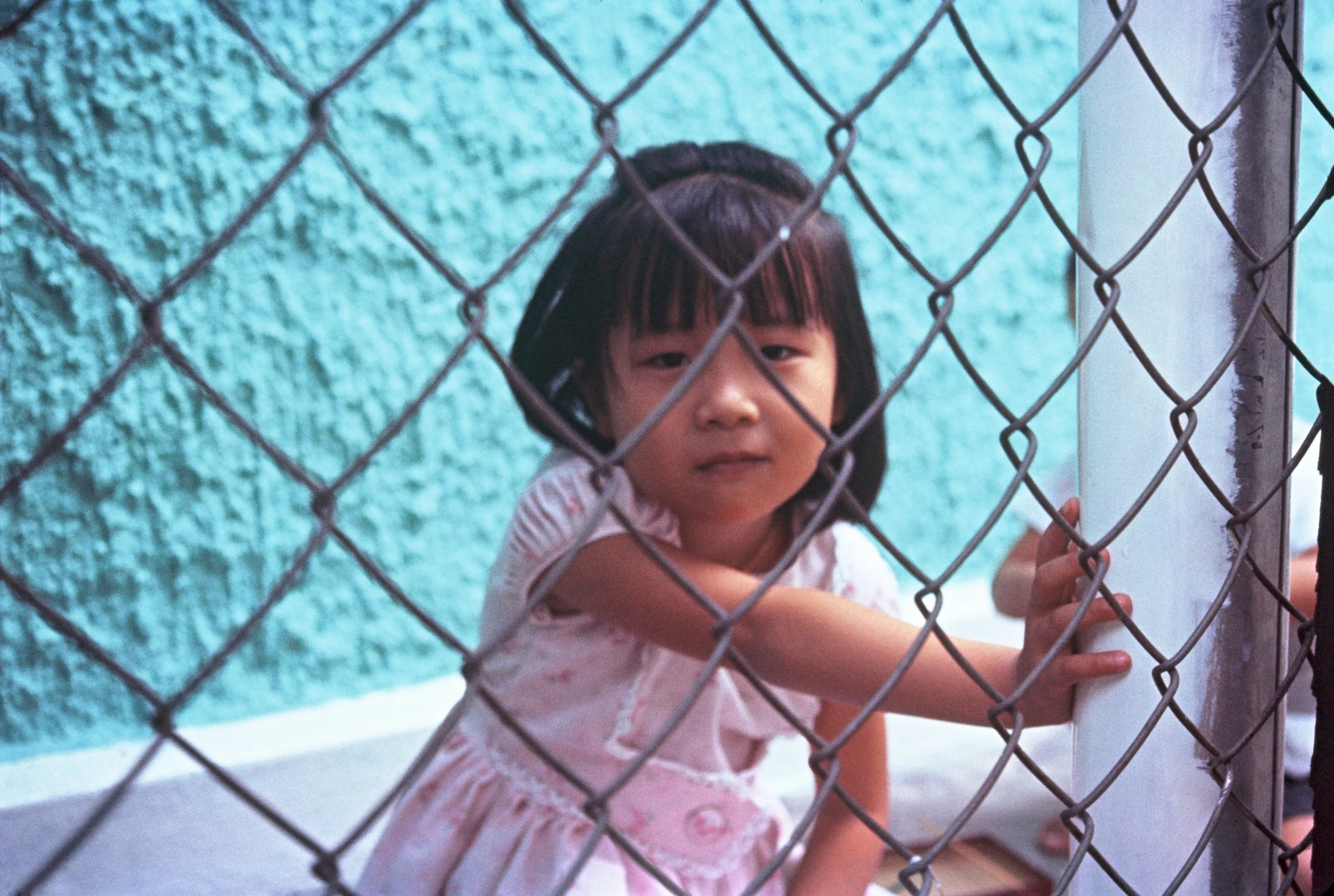
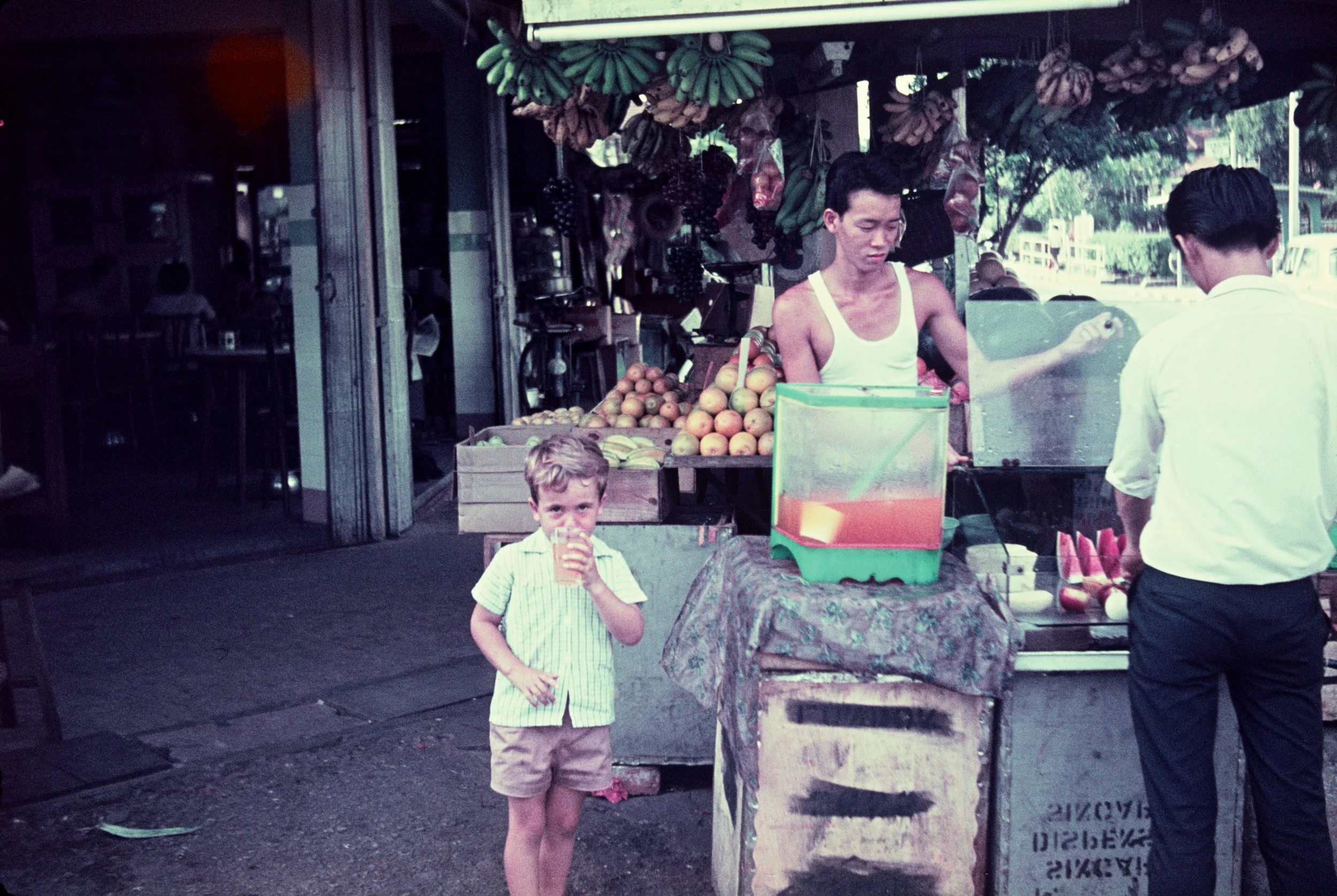
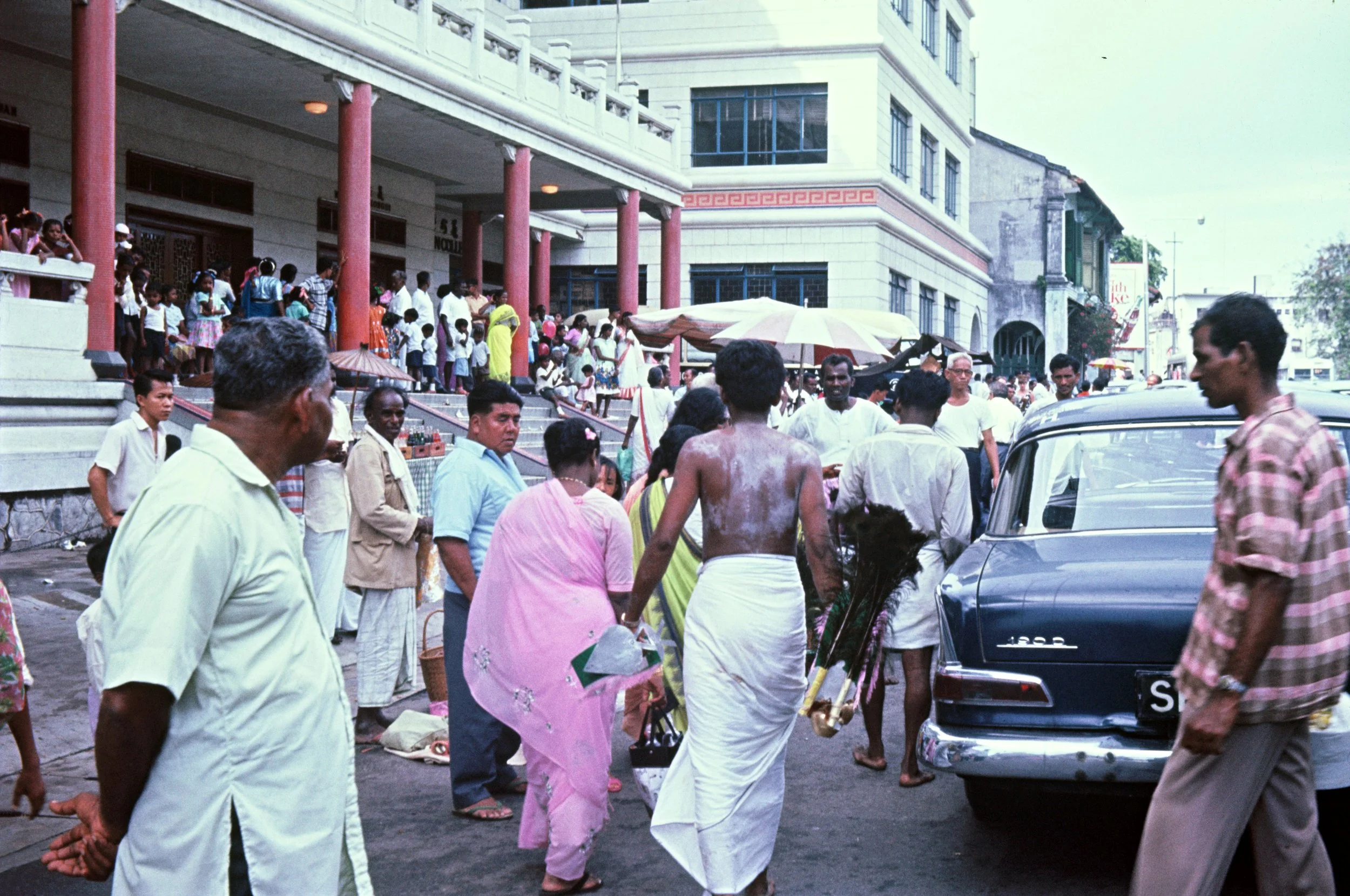
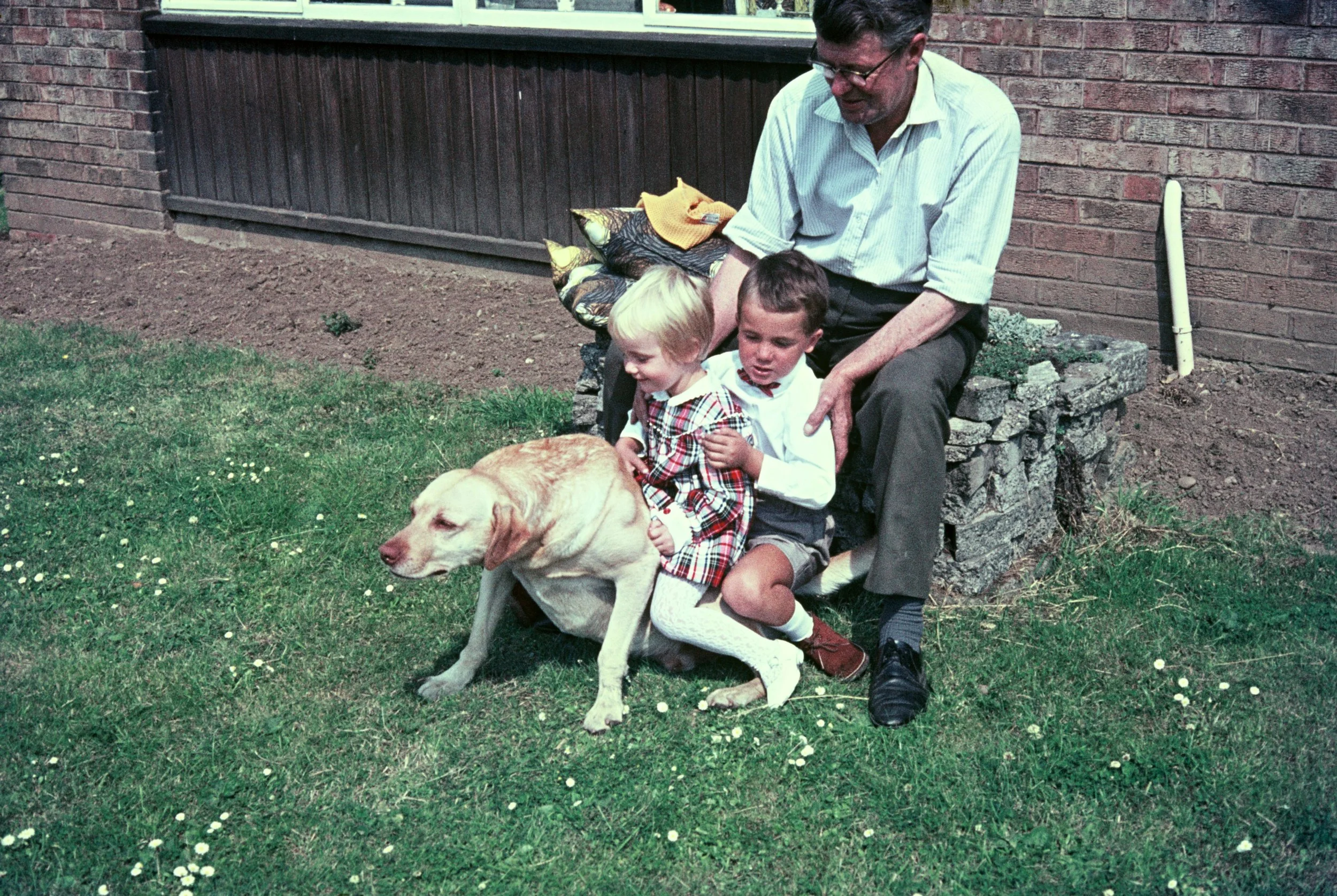
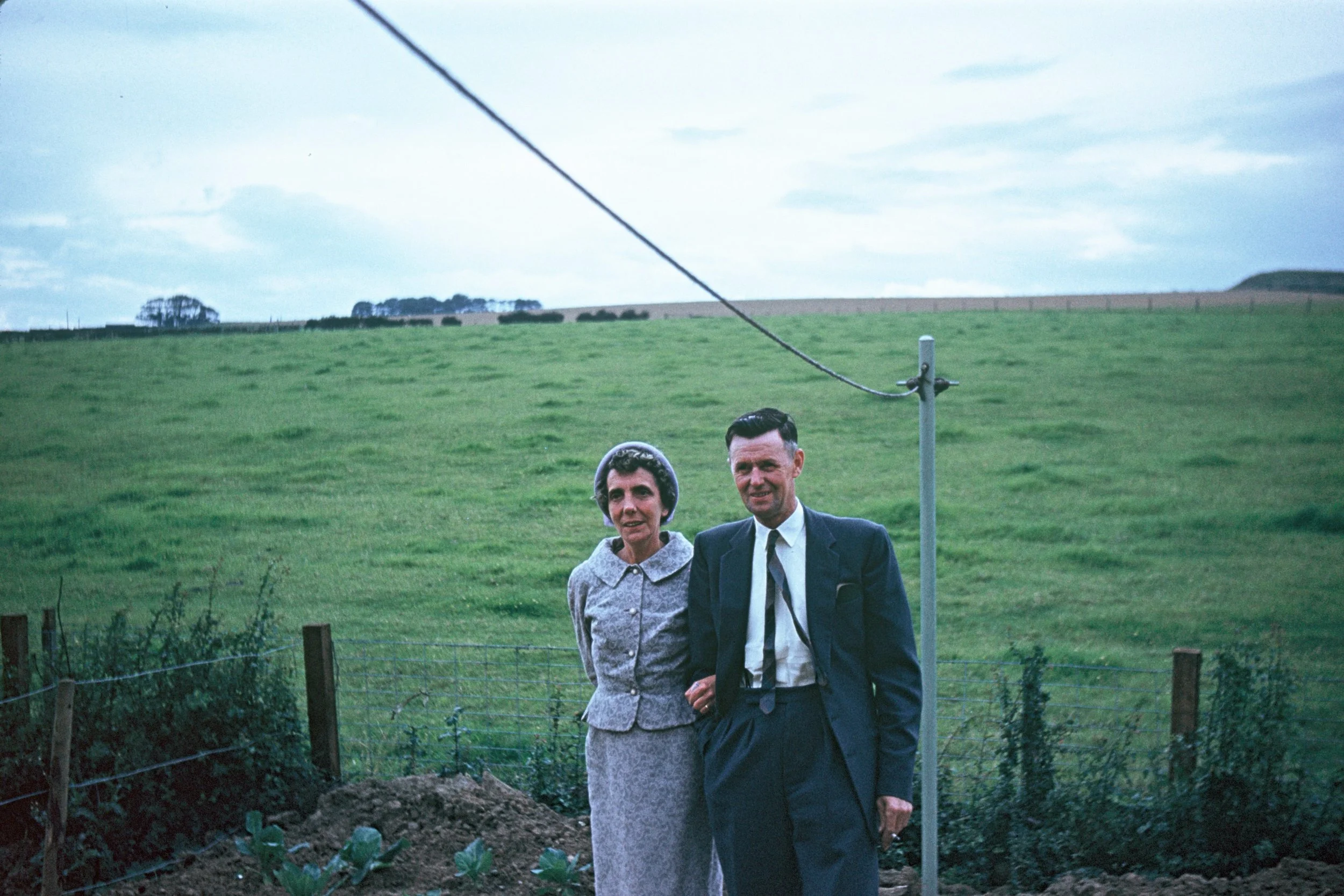
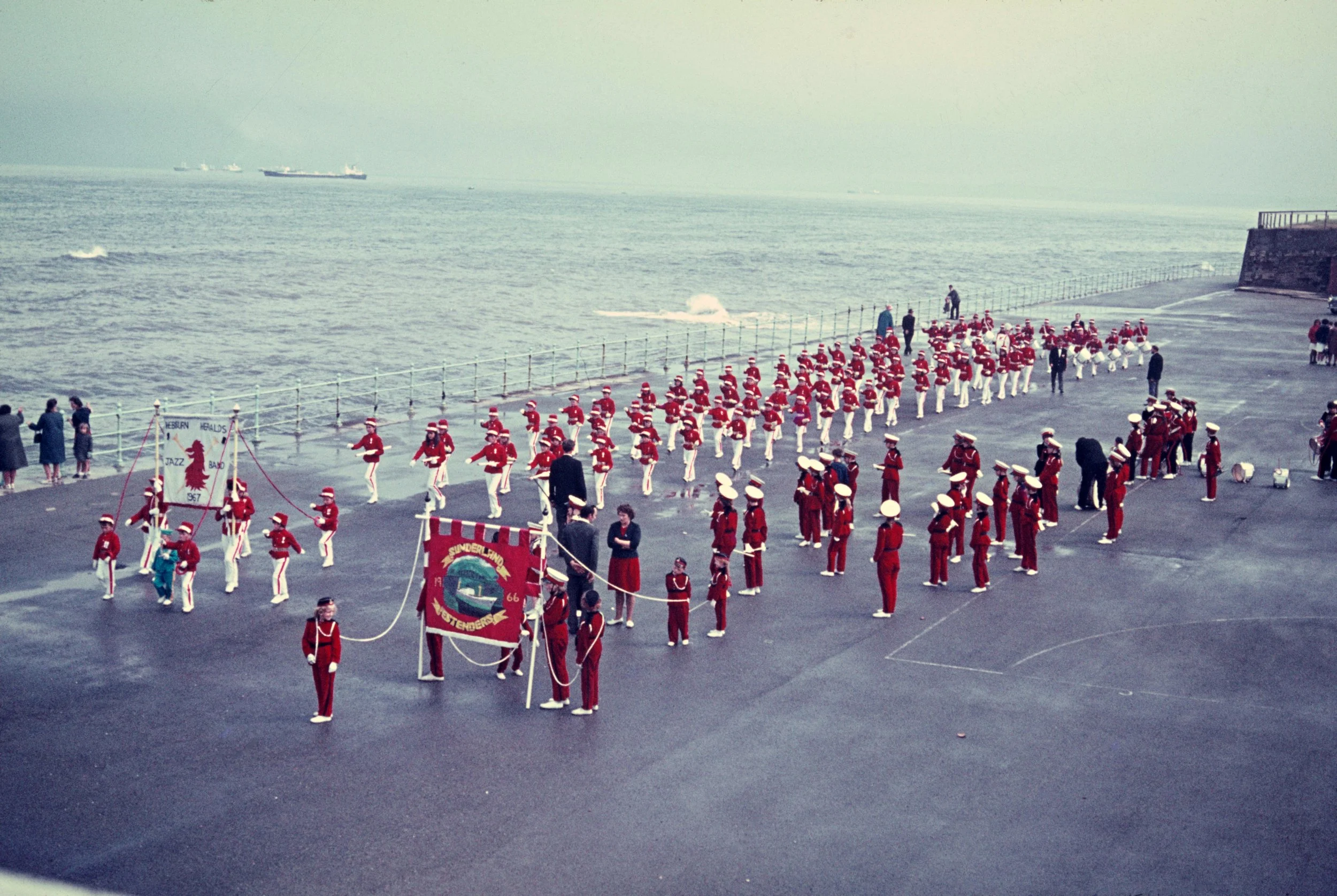
‘Still Living in It’ will bring together archival and contemporary photography to explore how British identity has been shaped through empire, movement, and multiculturalism, embedded within everyday life. The exhibition begins with colour slides taken by my grandad between the 1950s and 1970s, moving between Hartlepool and RAF postings in Singapore and Australia. The images shift between working-class life in Hartlepool and the militarised spaces of the RAF abroad, where British identity is maintained at a distance. While personal, they reflect a wider system of movement, revealing forms of everyday global connection that predate current narratives around migration. The section ends with his departure from Hartlepool as a young man, marking the start of a life shaped by movement.
The second part of the exhibition shifts to the present, beginning with a portrait of my grandad taken in 2024, a year before his passing, before returning to Hartlepool today. Through the work, I explore how British identity is represented in the town, particularly through monuments, symbols and references to World War II that shape the public landscape. This section considers the tension between these narratives and the less visible histories of empire that continue to shape the present. Drawing on Paul Gilroy’s concept of postcolonial melancholia, it reflects on how nostalgia for the war can sustain national identity while displacing more complex conversations about Britain’s imperial past. The work also sits within the context of recent far-right unrest in Hartlepool in 2024. While this forms part of the backdrop, the exhibition does not seek to define the town through this alone.
The final section focuses on contemporary community practice, foregrounding people and groups in Hartlepool who are working to build cohesion. The work of the Hugh Yarners, a local collective producing crocheted public artworks across the Headland, acts as a bridge into this section. Their pieces, including a tapestry featuring Jo Cox’s words reflect a strong sense of solidarity and shared identity. This section will be developed through community outreach during my current time in Hartlepool, using these connections to identify and collaborate with other groups whose work centres on bringing people together. This will include practitioners such as Durham Spray Paints, alongside others identified through consultation.
At its core, this section explores how solidarity acts as an essential component in rebuilding community. Migration and movement have shaped places like Hartlepool for generations, and the work reflects on how these histories continue to shape the present. At a time of visceral tension, the exhibition does not seek to resolve division but to hold a space for it, while giving visibility to those working towards connection and repair. The gallery becomes a space for recognition, foregrounding the people actively rebuilding solidarity within the community.